
konnectoiot.com

Uncategorized

Uncategorized

IoT-Enabled Surgery & Critical Care Monitoring in Healthcare

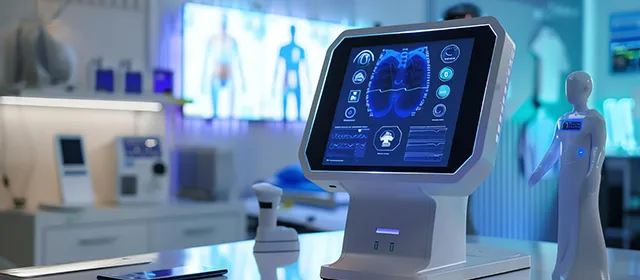
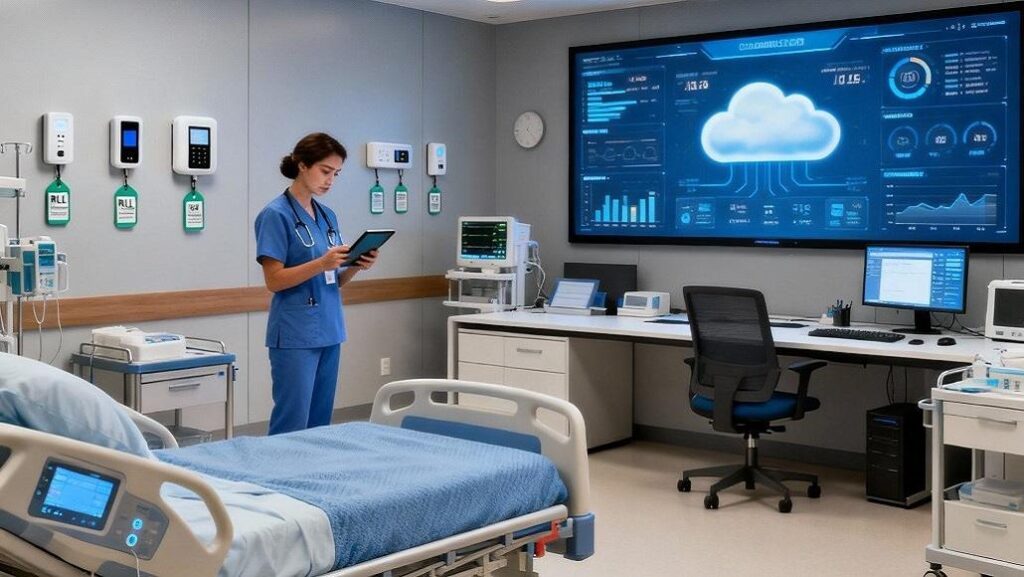
IoT-Enabled Surgery & Critical Care Monitoring in Healthcare Problem Healthcare facilities face challenges such as: Manual monitoring of ICU patients leading to delayed interventions Limited real-time visibility of patient vitals during surgery Risk of human errors in medication and device settings Difficulty coordinating multiple medical devices and surgical tools High operational pressure in critical care units with limited staff Industries Affected:Hospitals, Critical Care Units, Operating Theatres, Telemedicine & Remote Surgery Platforms IoT / Automation Solution To overcome these challenges, hospitals implemented: IoT-Enabled Patient Monitors: Continuous monitoring of heart rate, oxygen, blood pressure, and other critical vitals Connected Surgical Equipment: Robotic-assisted surgery systems integrated with IoT for precision and real-time feedback Automated Alerts & Notifications: Immediate alerts for abnormal readings or device malfunctions Centralized ICU Dashboards: Real-time visibility of all critical patients’ vitals and device status Predictive Analytics: AI analyzes patient data to anticipate complications and suggest interventions Remote Monitoring: Enables specialists to monitor and guide critical care or surgeries from remote locations Business Impact ✔ Improved patient safety and reduced medical errors✔ Faster intervention in critical situations✔ Enhanced precision and efficiency in surgeries✔ Optimized ICU resource allocation and workflow✔ Reduced mortality and complications in critical care✔ Better data-driven decision-making for clinical teams

Uncategorized

Medical Inventory & Supply Chain Automation in Healthcare

Medical Inventory & Supply Chain Automation in Healthcare Problem Healthcare providers face challenges such as: Manual inventory management leading to stockouts or overstocking Expired or mismanaged medicines and supplies Delays in tracking medical equipment and surgical tools Inefficient supply chain coordination between departments High operational costs due to wastage and manual processes Industries Affected:Hospitals, Clinics, Diagnostic Labs, Pharmaceutical Distribution Centers IoT / Automation Solution To address these challenges, healthcare organizations implemented: IoT-Enabled Inventory Sensors: Track stock levels of medicines, vaccines, and equipment in real-time RFID & Barcode Tracking: Monitor location and usage of surgical tools and medical devices Automated Alerts: Notifications for low stock, expired medicines, or misplaced equipment Centralized Inventory Dashboards: Provides visibility into all supplies across departments Predictive Analytics: Forecast demand and optimize reordering schedules Integration with Supply Chain Systems: Ensures timely delivery and reduces delays Business Impact ✔ Reduced stockouts and overstocking of medical supplies✔ Minimized wastage due to expired or misplaced medicines✔ Improved operational efficiency and workflow across departments✔ Lower procurement and storage costs✔ Faster response to patient care needs with ready availability of supplies✔ Enhanced accuracy in supply chain reporting and compliance

Uncategorized

Smart Hospital Facilities & Energy Optimization

Telemedicine & Remote Patient Monitoring in Healthcare Problem Healthcare facilities face challenges such as: High electricity and operational costs due to inefficient energy use Lack of real-time visibility of energy consumption across departments Difficulty maintaining continuous power for critical equipment Manual monitoring of building systems leading to inefficiencies Challenges in meeting sustainability and compliance standards Industries Affected:Hospitals, Clinics, Laboratories, Health Research Centers IoT / Automation Solution To address these challenges, hospitals implemented: Smart Energy Meters & IoT Sensors: Monitor electricity, water, and HVAC usage across the facility Automated Lighting & HVAC Control: IoT-enabled systems adjust energy consumption based on occupancy and schedules Real-Time Dashboards: Centralized monitoring of energy usage, equipment status, and alerts Predictive Maintenance: Sensors detect issues in generators, HVAC, and critical medical equipment before failures Automated Alerts: Notifications for unusual energy spikes or system malfunctions Data Analytics: Identify inefficiencies and optimize energy usage across the hospital Business Impact ✔ 10–30% reduction in energy consumption✔ Lower operational costs for hospital facilities✔ Continuous operation of critical medical equipment✔ Improved sustainability and reduced carbon footprint✔ Faster response to equipment issues and malfunctions✔ Data-driven optimization of hospital operations

Uncategorized

Telemedicine & Remote Patient Monitoring in Healthcare

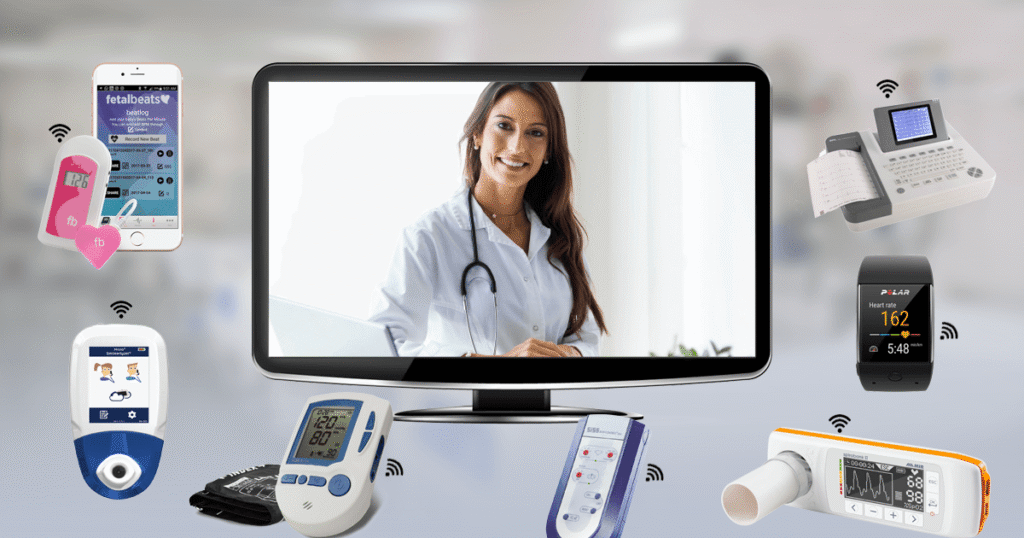
Telemedicine & Remote Patient Monitoring in Healthcare Problem Healthcare organizations face challenges such as: Limited access to care for patients in remote or rural areas Difficulty monitoring chronic patients outside hospital settings Delays in detecting critical health changes Overcrowding in hospitals and clinics Inefficient manual tracking of patient data and vitals Industries Affected:Hospitals, Clinics, Telemedicine Platforms, Home Healthcare Providers IoT / Automation Solution To overcome these challenges, healthcare providers implemented: Wearable IoT Devices: Track vitals like heart rate, blood pressure, glucose levels, and oxygen saturation remotely Connected Mobile Apps: Patients share real-time data with doctors via secure platforms Automated Alerts & Notifications: Healthcare staff receive instant alerts for abnormal readings Remote Consultation Systems: Video calls integrated with real-time health data for virtual diagnosis AI-Powered Analytics: Predictive analysis identifies potential health risks before they escalate Centralized Patient Dashboards: Doctors monitor multiple patients simultaneously for efficient care Business Impact ✔ Improved patient outcomes through continuous monitoring✔ Reduced hospital visits and readmissions✔ Increased access to healthcare for remote patients✔ Lower operational costs for healthcare facilities✔ Faster intervention for emergencies and critical conditions✔ Enhanced patient engagement and satisfaction✔ Data-driven clinical decision-making for personalized care

Uncategorized

IoT-Enabled Smart Weapon Systems & Autonomous Combat Vehicles in Defence

IoT-Based Soldier & Personnel Monitoring in Defence Problem Defence organizations face challenges such as: Manual operation of weapon systems limiting response time and precision Difficulty coordinating multiple combat vehicles and weapons on the battlefield Limited real-time data on equipment performance and ammunition status High risk to personnel in frontline operations Inefficient maintenance and readiness of combat systems Industries Affected:Military Operations, Armored Units, Special Forces, Naval & Air Combat Units IoT / Automation Solution To address these challenges, defense forces implemented: IoT-Enabled Smart Weapons: Weapons equipped with sensors and connectivity for real-time targeting and firing adjustments Autonomous Combat Vehicles: Drones, tanks, and UGVs capable of navigating and engaging targets autonomously Real-Time Command Dashboards: Integrates live data from vehicles and weapon systems for coordinated operations Predictive Maintenance: Sensors monitor vehicle and weapon system health to prevent failures Automated Threat Analysis: AI analyzes battlefield data to prioritize targets and optimize weapon deployment Secure Communication Networks: Ensures encrypted data flow between autonomous systems and command centers Business Impact ✔ Increased precision and efficiency in combat operations✔ Reduced risk to human personnel on the battlefield✔ Faster decision-making through real-time battlefield data✔ Improved readiness and reliability of weapons and vehicles✔ Optimized resource allocation and mission planning✔ Enhanced coordination between multiple units and autonomous systems

Uncategorized

IoT-Based Soldier & Personnel Monitoring in Defence

IoT-Based Soldier & Personnel Monitoring in Defence Problem Defence forces face challenges in monitoring personnel effectively: Difficulty tracking soldiers’ real-time location in the field Limited visibility into health and physical condition during missions Risk of delayed medical response to injuries or fatigue Manual reporting and monitoring leading to inefficiencies Inability to optimize soldier deployment based on real-time data Industries Affected:Military Operations, Special Forces, Border Security, Field Missions IoT / Automation Solution To solve these challenges, defense organizations implemented: Wearable IoT Devices: Track vital signs such as heart rate, temperature, and fatigue levels GPS & Location Sensors: Real-time tracking of soldiers in the field Health & Safety Dashboards: Centralized system for monitoring personnel condition and alerts Automated Alerts: Immediate notification to medical teams for critical conditions or injuries Data Analytics: Predictive analysis for workload management and mission planning Integration with Command Systems: Ensures decision-makers have real-time situational awareness of personnel Business Impact ✔ Improved safety and health monitoring of soldiers✔ Faster medical response and reduced casualties✔ Optimized deployment and mission planning✔ Enhanced operational efficiency and situational awareness✔ Reduced human errors in monitoring and reporting✔ Better training and workload management based on data insights

Uncategorized

Smart Defence Base & IoT Optimization

Smart Defence Base & IoT Optimization Problem Military bases face challenges such as: High energy consumption for lighting, HVAC, and operations Limited real-time visibility of energy usage and critical systems Manual monitoring of base security and equipment Difficulty maintaining compliance with safety and environmental standards Inefficient resource allocation and operational delays Industries Affected:Military Bases, Naval Bases, Air Force Bases, Defence Training Facilities IoT / Automation Solution To address these challenges, defense bases implemented: Smart Meters & Energy Sensors: Monitor electricity, water, and fuel usage across the base IoT-Enabled Security Systems: Sensors, cameras, and automated access control for perimeter security Real-Time Dashboards: Centralized monitoring of energy, equipment, and security systems Predictive Maintenance: Sensors detect faults in generators, HVAC systems, and vehicles before failures Automated Alerts: Notifications for unusual energy spikes, equipment malfunction, or security breaches Data Analytics: Optimize energy consumption and base operations based on historical trends Business Impact ✔ 15–30% energy savings across base operations✔ Enhanced security with automated surveillance and alerts✔ Reduced operational costs and resource wastage✔ Improved compliance with safety and environmental regulations✔ Faster response to equipment failures or security incidents✔ Better operational efficiency and mission readiness

Uncategorized

Automation & Security in Manufacturing Sector

Automation & Security in Manufacturing Sector Problem Manufacturers face challenges such as: Rising cyberattacks targeting industrial control systems (ICS) Manual monitoring of machines and network systems Production delays due to security breaches or system failures Human errors in compliance with safety and industry regulations Difficulty detecting anomalies in equipment usage or network traffic Industries Affected:Automobile, Electronics, Heavy Machinery, Food & Beverage IoT / Automation Solution To address these challenges, manufacturers implemented: IoT-Enabled Equipment Monitoring: Sensors on machinery detect anomalies and monitor performance Automated Threat Detection: AI-based systems identify network intrusions and suspicious activity Real-Time Dashboards: Centralized monitoring of equipment health, production metrics, and security alerts Access Control & Authentication: Multi-factor authentication and role-based access for operators Automated Compliance & Reporting: Ensures regulatory and safety standards are continuously met Predictive Maintenance: Automation predicts machine failures to prevent downtime Business Impact ✔ Reduced production downtime and operational disruption✔ Improved cybersecurity and protection of sensitive manufacturing data✔ Faster detection and resolution of anomalies✔ Cost savings through predictive maintenance and energy optimization✔ Continuous regulatory compliance✔ Enhanced efficiency and operational reliability

Uncategorized

Smart Energy Monitoring & Optimization in Airports

Smart Energy Monitoring & Optimization in Airports Problem Airports face challenges such as: High electricity bills due to inefficient power usage Lack of real-time visibility into energy consumption across terminals Difficulty identifying peak loads and unusual energy spikes Challenges in compliance with environmental and energy regulations Industries Affected:Airports, Aviation Facilities, Hangars, Terminal Operations IoT / Automation Solution To tackle these challenges, airports implemented IoT-based energy solutions: Smart Meters & Sensors: Track energy usage across terminals, runways, and lounges 4G/5G Connectivity: Real-time transmission of energy data to cloud systems Consumption Dashboards: Visualize energy trends, peak load areas, and anomalies Peak Load & Anomaly Detection: Automatic alerts for unusual spikes or equipment inefficiency Predictive Maintenance: Optimizes energy usage by identifying equipment needing repair Business Impact ✔ 15–30% energy cost reduction✔ Reduced carbon footprint and improved sustainability ratings✔ Automated reporting for energy compliance✔ Better operational efficiency across terminals and facilities✔ Proactive maintenance reducing energy wastage✔ Enhanced decision-making through real-time data

Uncategorized

Automation & Security in Healthcare Sector

Automation & Security in Healthcare Sector Problem Healthcare organizations face challenges like: Increasing cyberattacks targeting patient data (ransomware, phishing) Manual monitoring of medical devices and IT systems Delayed incident response affecting patient safety Human errors in compliance with health regulations (HIPAA, ISO 27799) Rising operational costs due to inefficient processes Industries Affected:Hospitals, Clinics, Laboratories, Telemedicine Providers IoT / Automation Solution To overcome these issues, healthcare providers implemented: IoT-Enabled Medical Devices: Continuous monitoring of devices and patient vitals Automated Threat Detection: AI-driven monitoring for unusual network activity and security breaches Real-Time Dashboards: Centralized view of device status, patient data access, and security alerts Access Control & Authentication: Biometric and multi-factor authentication for staff and systems Automated Compliance Monitoring: Ensures regulatory standards are met continuously Patch & System Updates: Automatic updates for hospital IT systems and devices to reduce vulnerabilities Business Impact ✔ Faster detection and response to security incidents✔ Reduced risk of data breaches and ransomware attacks✔ Improved patient safety and operational reliability✔ Lower operational costs through automation✔ Continuous regulatory compliance✔ Enhanced trust among patients and stakeholders

Scroll to Top