

Hospital Staff & Workflow Optimization Using IoT
Problem
Logistics and supply chain organizations face challenges such as:
Limited real-time visibility of goods and shipments
Manual tracking leading to delays, misplacements, and errors
Inefficient inventory management causing stockouts or overstocking
High operational costs due to fuel wastage, delays, and manpower
Difficulty ensuring timely delivery and compliance with safety standards
Industries Affected:
Warehousing, Retail, E-commerce, Manufacturing, Freight & Transportation
IoT / Automation Solution
To address these challenges, organizations implemented:
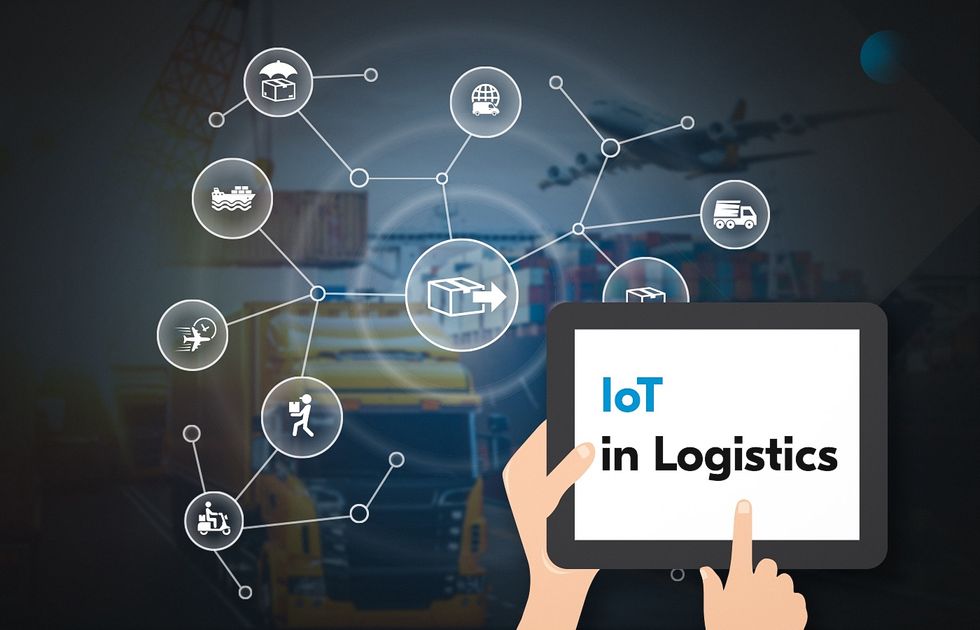
IoT-Enabled Asset Tracking: GPS and RFID sensors track shipments, vehicles, and containers in real-time
Smart Inventory Management: IoT sensors monitor stock levels, storage conditions, and usage
Predictive Analytics: Forecasts demand and optimizes routes and delivery schedules
Automated Alerts: Notifications for delays, deviations, or equipment malfunctions
Connected Fleet Management: Monitors vehicle performance, fuel consumption, and driver behavior
Centralized Dashboards: Provides end-to-end visibility of supply chain operations and logistics
Business Impact
✔ Improved real-time visibility and tracking of shipments
✔ Reduced delays, errors, and losses in transit
✔ Optimized inventory management and reduced stockouts
✔ Lower operational and fuel costs through efficient route planning
✔ Enhanced customer satisfaction with timely deliveries
✔ Data-driven decision-making for supply chain optimization
✔ Improved compliance with safety and transportation regulations