

konnectoiot.com

Defence in IoT

Defence in IoT, Logistic and Supply

Smart Logistics & Supply Chain Automation in Defence

Smart Logistics & Supply Chain Automation in Defence Problem Defence organizations face challenges in logistics and supply chain management: Difficulty tracking movement of military assets across multiple locations Manual inventory management causing delays and errors Risk of equipment shortages during critical missions Inefficient allocation of resources and supplies Limited visibility into the condition and maintenance needs of vehicles and equipment Industries Affected:Military Operations, Naval Supply Chains, Army Bases, Air Force Logistics IoT / Automation Solution To overcome these challenges, defense forces implemented: IoT-Enabled Asset Tracking: GPS and sensors on vehicles, containers, and supplies for real-time monitoring Automated Inventory Management: RFID and IoT sensors track stock levels and location of critical items Predictive Maintenance: Sensors monitor vehicles and equipment to prevent breakdowns during operations Centralized Logistics Dashboard: Provides live data on supply chain status, delivery timelines, and resource allocation Smart Alerts: Automatic notifications for low stock, delayed shipments, or equipment issues Data Analytics: Optimizes routes, resource allocation, and reduces logistical inefficiencies Business Impact ✔ Improved operational readiness through real-time supply chain visibility✔ Reduced delays and errors in equipment and supply delivery✔ Lower maintenance and operational costs through predictive analytics✔ Enhanced coordination between military units and bases✔ Increased efficiency in logistics planning and resource allocation✔ Greater mission success due to timely delivery of critical supplies

Defence in IoT

Cybersecurity & IoT Network Protection in Defence

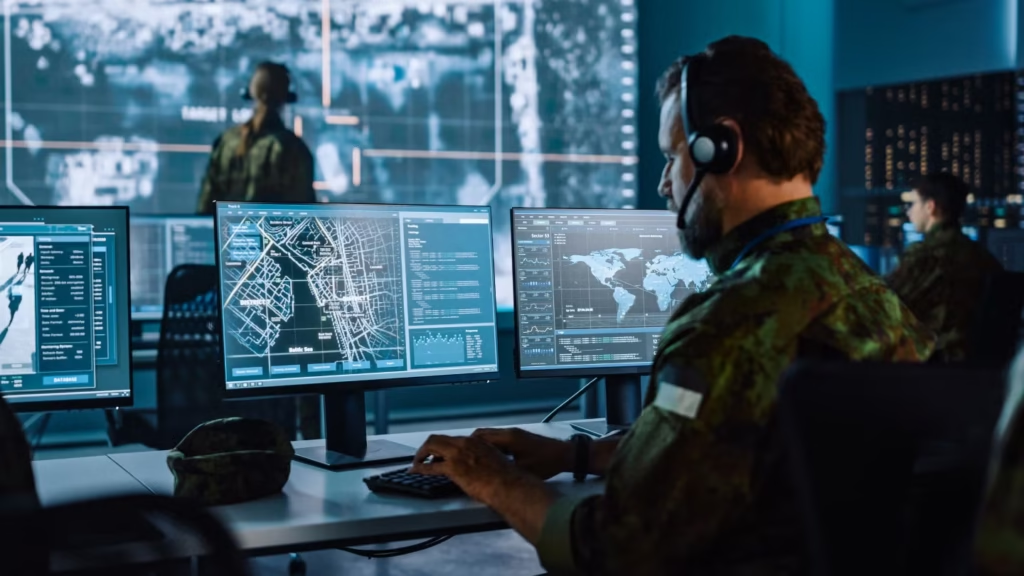
Cybersecurity & IoT Network Protection in Defence Problem Defence organizations face critical cybersecurity challenges: Vulnerability of IoT-enabled devices to cyberattacks Risk of sensitive military data being intercepted or stolen Manual monitoring of networks leading to delayed threat detection Increasingly sophisticated malware and ransomware targeting defense systems Difficulty in ensuring compliance with security protocols across distributed networks Industries Affected:Military Networks, Command & Control Systems, Defence Research Centers, Smart Bases IoT / Automation Solution To address these challenges, defense forces implemented: IoT-Enabled Security Sensors: Monitor network traffic and connected devices for unusual activity AI-Driven Threat Detection: Automated analysis identifies potential cyberattacks in real-time Automated Incident Response: Systems isolate compromised devices and block malicious IPs automatically Encrypted Communication Channels: Protects sensitive data transmitted between devices and command centers Centralized Dashboards: Real-time visibility of network health and security events Predictive Analytics: Forecasts potential vulnerabilities and recommends preventive actions Business Impact ✔ Faster detection and neutralization of cyber threats✔ Reduced risk of sensitive data breaches✔ Continuous compliance with defense cybersecurity standards✔ Lower operational disruption due to automated incident response✔ Enhanced trust in network reliability and security✔ Improved operational readiness and mission assurance

Defence in IoT

Battlefield Robotics & Autonomous Vehicles in Defence

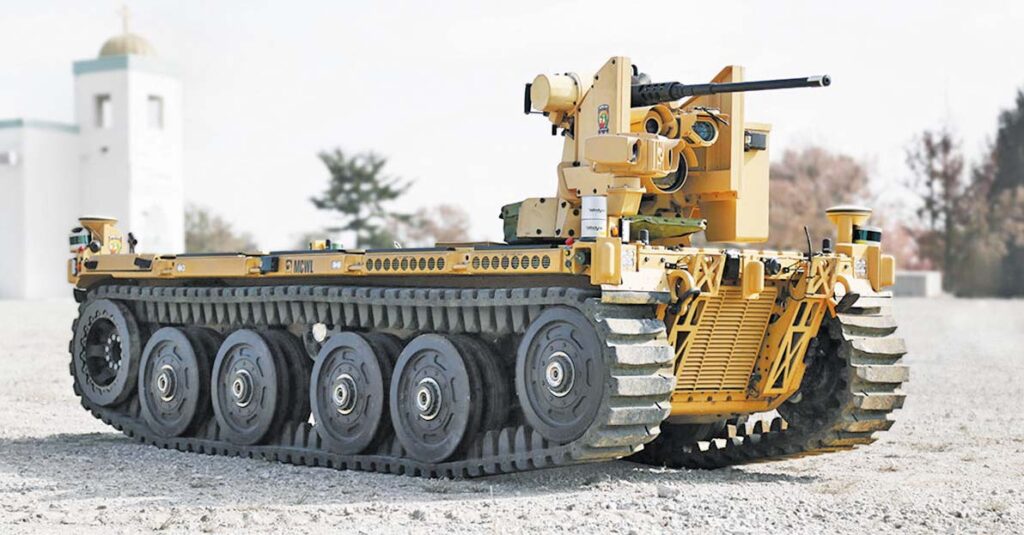
Battlefield Robotics & Autonomous Vehicles in Defence Problem Defence organizations face multiple challenges on the battlefield: Risk to human soldiers in dangerous combat zones Limited real-time intelligence and situational awareness Manual monitoring and control of vehicles leading to slower responses Difficulty coordinating multiple units across the battlefield High maintenance needs for vehicles and drones without predictive insight Industries Affected:Military Operations, Special Forces, Border Security, Reconnaissance Units IoT / Automation Solution To overcome these challenges, defense forces implemented: IoT-Enabled Drones & UGVs: Autonomous vehicles and drones with sensors for surveillance and reconnaissance Real-Time Communication Networks: Secure, encrypted networks for remote monitoring and control Automated Threat Detection: AI analyzes sensor data to detect obstacles, threats, or intrusions Predictive Maintenance Sensors: Monitors mechanical health of vehicles and drones to prevent failures Centralized Command Dashboards: Integrates data from all autonomous systems for coordinated decision-making Robotic Automation: Robots perform supply delivery, mine detection, and hazardous tasks to reduce human risk Business Impact ✔ Reduced risk to human personnel on the battlefield✔ Faster situational awareness and decision-making✔ Increased operational efficiency through autonomous systems✔ Reduced maintenance costs via predictive analytics✔ Enhanced coordination between units and assets✔ Improved mission success rates and safety

Defence in IoT

Smart Defence & IoT Automation

Smart Defence & IoT Automation Problem Defence organizations face multiple challenges: Inability to monitor remote or hostile areas in real-time Vulnerabilities in communication networks to cyberattacks Manual logistics and asset tracking leading to inefficiency Difficulty in predictive maintenance of vehicles, drones, and machinery Slow response to threats due to fragmented data and lack of integration Industries Affected:Military Operations, Border Patrol, Naval Operations, Air Force, Defence Research IoT / Automation Solution Defense organizations implemented the following IoT solutions: IoT-Enabled Drones & Sensors: Monitor borders, conflict zones, and strategic assets continuously Automated Threat Analysis: AI-driven detection of unusual patterns or intrusions Connected Command & Control Systems: Real-time secure communication between field units and HQ Smart Asset Tracking: GPS and IoT sensors track vehicles, ammunition, and critical supplies Predictive Maintenance: Sensors on tanks, aircraft, and naval vessels detect faults before failures Centralized Dashboards: Command centers receive live actionable intelligence for faster decision-making Business Impact ✔ Enhanced situational awareness and battlefield intelligence✔ Faster threat detection and response time✔ Reduced operational risks and equipment downtime✔ Optimized resource and logistics management✔ Stronger cybersecurity and protection of critical networks✔ Improved mission planning and decision-making efficiency

Scroll to Top